4. Inflammation Throughout Your Body Decreases
Chronic low-grade inflammation is increasingly recognized as a driving force behind a wide range of serious health conditions — cardiovascular disease, type 2 diabetes, certain cancers, Alzheimer’s disease, and accelerated aging among them. Peanuts contain multiple antioxidant compounds that directly counteract this inflammatory process. Resveratrol, the polyphenol that has attracted enormous research interest for its health-promoting properties, is present in meaningful amounts in peanuts and has demonstrated anti-inflammatory and antioxidant effects across numerous studies. P-coumaric acid, another antioxidant in peanuts, helps neutralize free radicals — unstable molecules that damage cells and drive inflammatory cascades — before they can cause the cellular damage that underlies chronic disease.
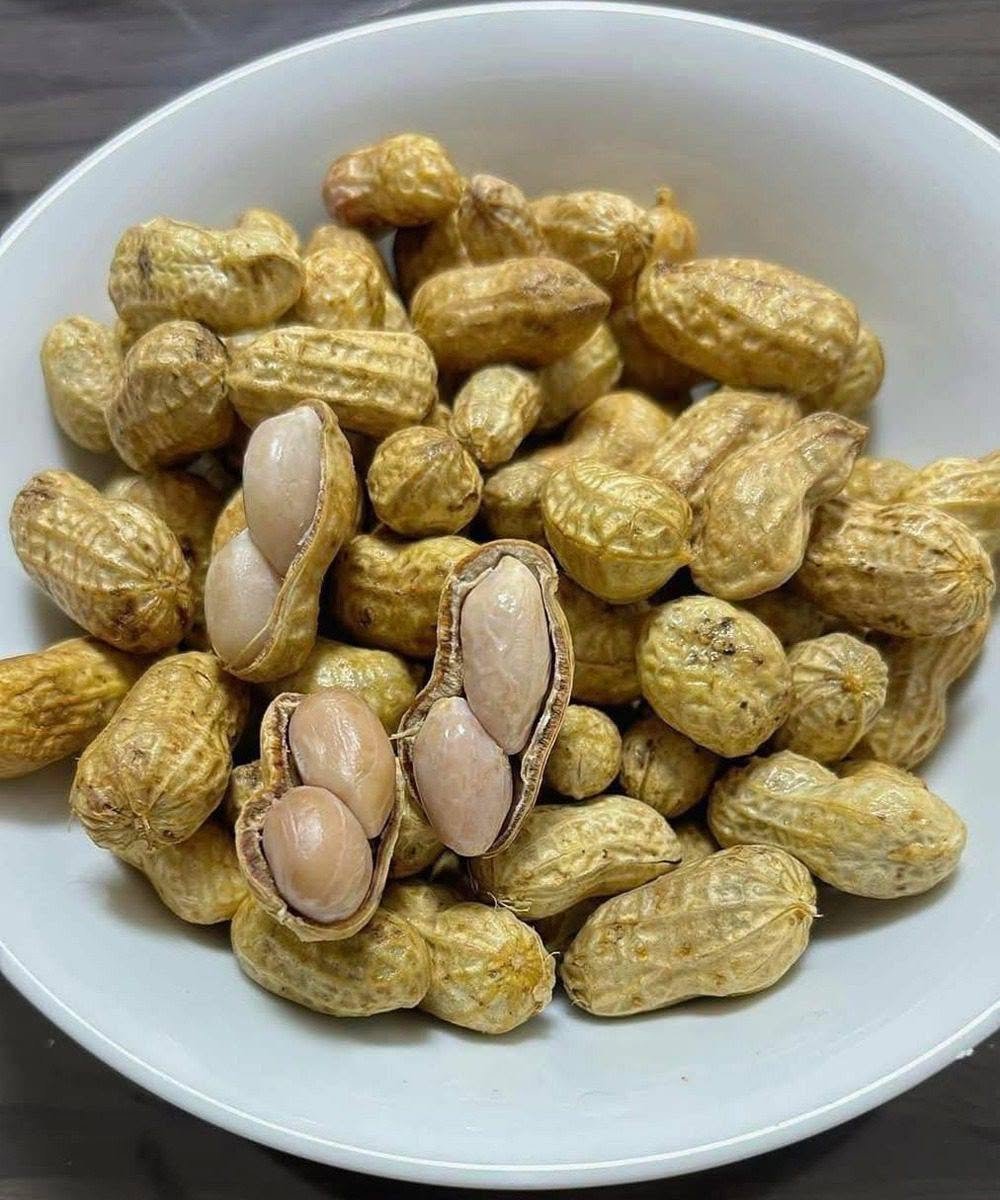
Research published in peer-reviewed journals has shown that regular peanut consumption is associated with lower levels of inflammatory markers in the blood, including C-reactive protein. The roasting process appears to increase the concentration of some of these bioactive compounds rather than destroying them, which means roasted peanuts retain their anti-inflammatory benefits. Boiling peanuts, a traditional preparation in parts of the American South and in some Asian cuisines, also increases the concentration of these healthful substances.
5. Your Brain Functions Better
Several of the nutrients concentrated in peanuts have specific and well-documented relevance to brain health and cognitive function. Niacin (vitamin B3) and folate are both essential for healthy nerve cell function and DNA repair in brain tissue. Vitamin E is a powerful antioxidant that protects brain cells from oxidative stress — the accumulation of free radical damage that contributes to cognitive aging and is associated with neurodegenerative diseases. Tryptophan in peanuts is a precursor to serotonin, the neurotransmitter involved in mood regulation, sleep quality, and stress response. Magnesium, present in substantial amounts in peanuts, supports healthy nervous system function and has been linked to reduced risk of depression in population studies.
Regular, moderate peanut consumption has been associated in research with improved focus, sharper memory, and reduced mental fatigue. One large epidemiological study found that people who ate peanuts at least four times per week had a 36 percent lower risk of developing age-related macular degeneration — a finding that suggests the antioxidants in peanuts protect not just the brain but the visual system as well. Peanut butter consumption has also been inversely linked to the risk of gastric cancer in a study of more than 566,000 older Americans followed for over 15 years.
6. You Receive Substantial Protein and Muscle Support
Peanuts are among the most protein-dense plant foods available, with approximately 25 grams of protein per 100 grams by weight — roughly 25 percent protein by weight, making them second only to almonds among nuts. This protein content makes peanuts a particularly valuable food for vegetarians and vegans who need to meet protein requirements from plant sources, and for anyone seeking to increase protein intake for muscle maintenance, athletic performance, or appetite control. The amino acid profile of peanut protein includes leucine, which plays a specific role in signaling muscle protein synthesis — the process by which muscle tissue is repaired and built following exercise. Peanuts also contain all 20 of the amino acids needed by the body, though they are not nutritionally complete in terms of essential amino acid ratios when eaten alone.
When to Be Cautious
The benefits described above apply to most people eating peanuts in reasonable amounts and minimally processed forms. There are important exceptions and considerations. Peanut allergy is the most serious concern — it is one of the most common food allergies and can trigger severe, potentially life-threatening anaphylaxis in affected individuals. Anyone with a peanut allergy must avoid peanuts entirely and carry emergency epinephrine. For people without allergy, the primary considerations are portion size and preparation. The recommended daily serving for health benefit is approximately 28 to 30 grams — roughly a small handful or 30 to 35 peanuts. Eating significantly more can contribute excess calories without proportional additional benefit.
The form in which peanuts are consumed matters significantly. Plain raw or dry-roasted peanuts without added salt, sugar, or oil represent the most healthful choice. Honey-roasted, chocolate-covered, or heavily salted varieties add sugars, saturated fats, and sodium that reduce or negate the health benefits. Commercial peanut butter with added sugars and partially hydrogenated oils is less beneficial than natural peanut butter containing only peanuts and salt. Storage matters as well — peanuts stored in humid or warm conditions can develop mold that produces aflatoxin, a harmful compound. Purchasing from reputable sources and storing in sealed containers away from heat reduces this risk substantially.
For people who monitor sodium intake due to high blood pressure or cardiovascular disease, choosing unsalted varieties is advisable. For people with digestive sensitivity, the high fiber and fat content of peanuts can occasionally cause bloating in large amounts. These are manageable considerations rather than reasons to avoid peanuts entirely — for the vast majority of people without allergy, a daily handful of minimally processed peanuts or a moderate serving of natural peanut butter represents one of the most affordable, accessible, and nutritionally comple