Optional Serving Ideas
- Honey
- Strawberry jam
- Apple butter
- Sausage gravy
- Fresh berries
- Scrambled eggs
Instructions
Step 1: Prepare the Oven
Preheat your oven to 425°F (220°C).
Line a baking sheet with parchment paper or lightly grease a cast-iron skillet.
Step 2: Mix Dry Ingredients
In a large mixing bowl, combine:
- Flour
- Baking powder
- Baking soda
- Salt
- Sugar
Whisk until evenly combined.
Step 3: Cut in the Butter
Add cold butter cubes.
Using a pastry cutter or your fingertips, work the butter into the flour mixture until it resembles coarse crumbs.
Small pieces of butter create flaky layers.
Step 4: Add Buttermilk
Pour in the cold buttermilk.
Mix gently until a shaggy dough forms.
Avoid overmixing.
Step 5: Shape the Dough
Transfer dough to a lightly floured surface.
Fold the dough over itself 4–5 times.
Pat into a 1-inch-thick rectangle.
Step 6: Cut the Biscuits
Use a biscuit cutter or drinking glass.
Cut straight down without twisting.
Place biscuits close together on the prepared baking sheet.
Step 7: Bake
Bake for 12–15 minutes or until tops are golden brown.
Brush with melted butter immediately after removing from the oven.
Preparation Method
The secret to perfect biscuits lies in keeping the ingredients cold. Cold butter creates steam during baking, forming tender layers that separate beautifully when split open.
Folding the dough several times develops those classic flaky layers while maintaining a soft interior.
Formation and Texture
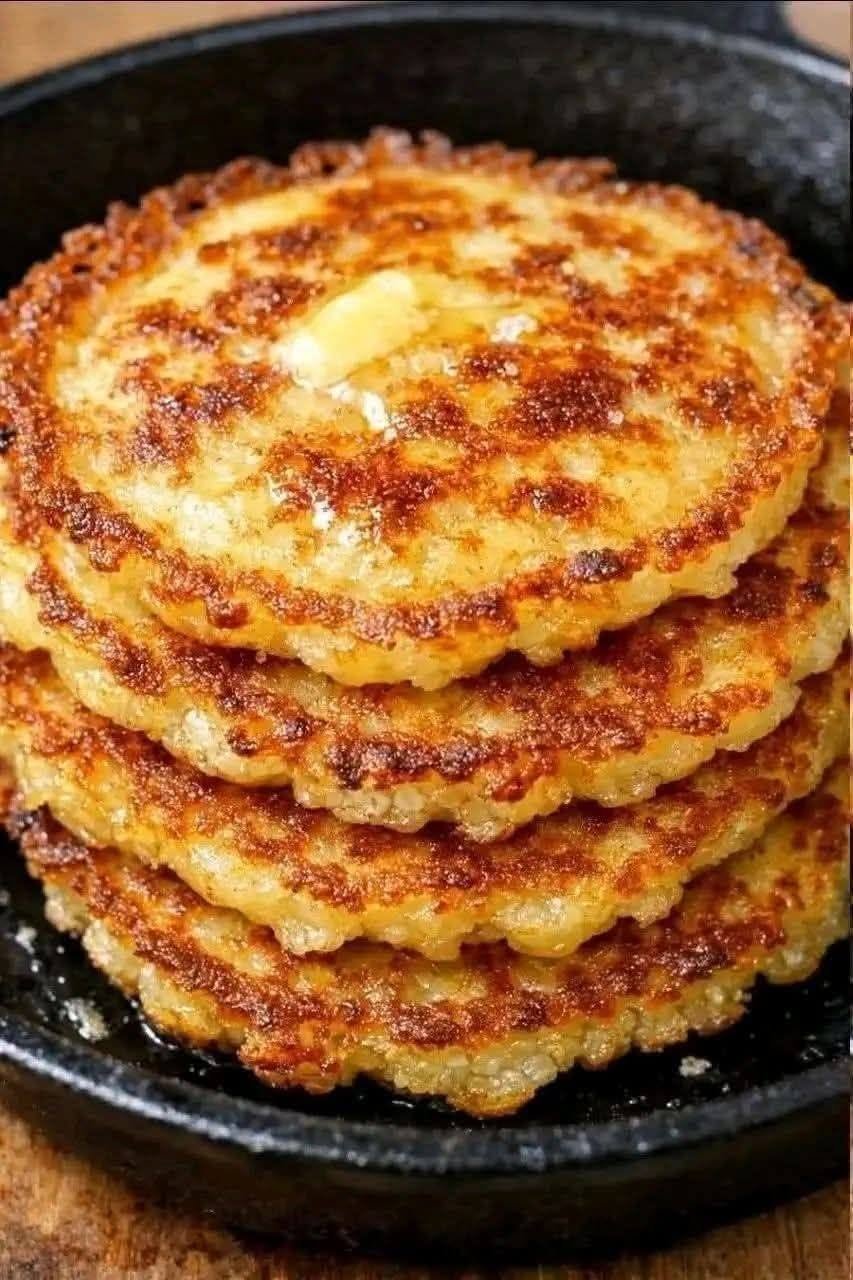
A perfectly formed biscuit should have:
- Golden brown top
- Tall flaky layers
- Soft and tender center
- Slightly crisp edges
- Rich buttery flavor
When broken open, steam should escape from the fluffy center, revealing delicate layers ready to soak up butter and honey.
History of Southern Biscuits
Biscuits became a staple in Southern kitchens during the 1800s. Families needed inexpensive, filling breads that could be made quickly without yeast.
Over time, each family developed its own version. Some added buttermilk, others used lard or butter, and many guarded their recipes as family treasures.
Sunday mornings became especially associated with homemade biscuits because families gathered after church for large meals featuring biscuits, gravy, preserves, and country ham.
Today, these biscuits remain one of the most beloved comfort foods in American home cooking.
Why People Love These Biscuits
Biscuit lovers adore this recipe because:
- It uses simple pantry ingredients.
- The biscuits bake quickly.
- They pair with sweet or savory toppings.
- They freeze well.
- They bring back childhood memories.
Many people say one bite instantly reminds them of family breakfasts and holiday gatherings.
Different Methods
Cast-Iron Method
Bake biscuits in a cast-iron skillet for extra-crispy edges.
Sheet Pan Method
Bake on a baking sheet for evenly browned biscuits.
Drop Biscuit Method
Add slightly more buttermilk and drop spoonfuls directly onto the pan.
Layered Biscuit Method
Fold the dough multiple times for extra flaky layers.
Tips from Biscuit Lovers
- Always use cold butter.
- Do not overwork the dough.
- Use fresh baking powder.
- Bake in a fully preheated oven.
- Brush with melted butter while hot.
These simple tips make a huge difference in the final result.
Conclusion
There is something special about a recipe that survives through generations. These old-fashioned Sunday morning biscuits represent family, comfort, tradition, and love. Whether served after church, during a holiday breakfast, or alongside a simple weekday meal, they continue to bring people together just as they did decades ago.
Every warm, buttery bite tells a story of family kitchens, cherished memories, and the timeless joy of homemade food. That’s why biscuit lovers keep coming back to this classic recipe year after year. 


Yum! 
For Complete Cooking STEPS Please Head On Over To Next Page Or Open button (>)