Just action—and immediate consequences.
From that point forward, events moved rapidly. Law enforcement became involved, charges were filed, and what began as a single incident evolved into a legal case with serious implications. For the teenager, life shifted from everyday routines to a reality shaped by court dates, legal arguments, and the uncertainty of what would come next.
Inside the Courtroom
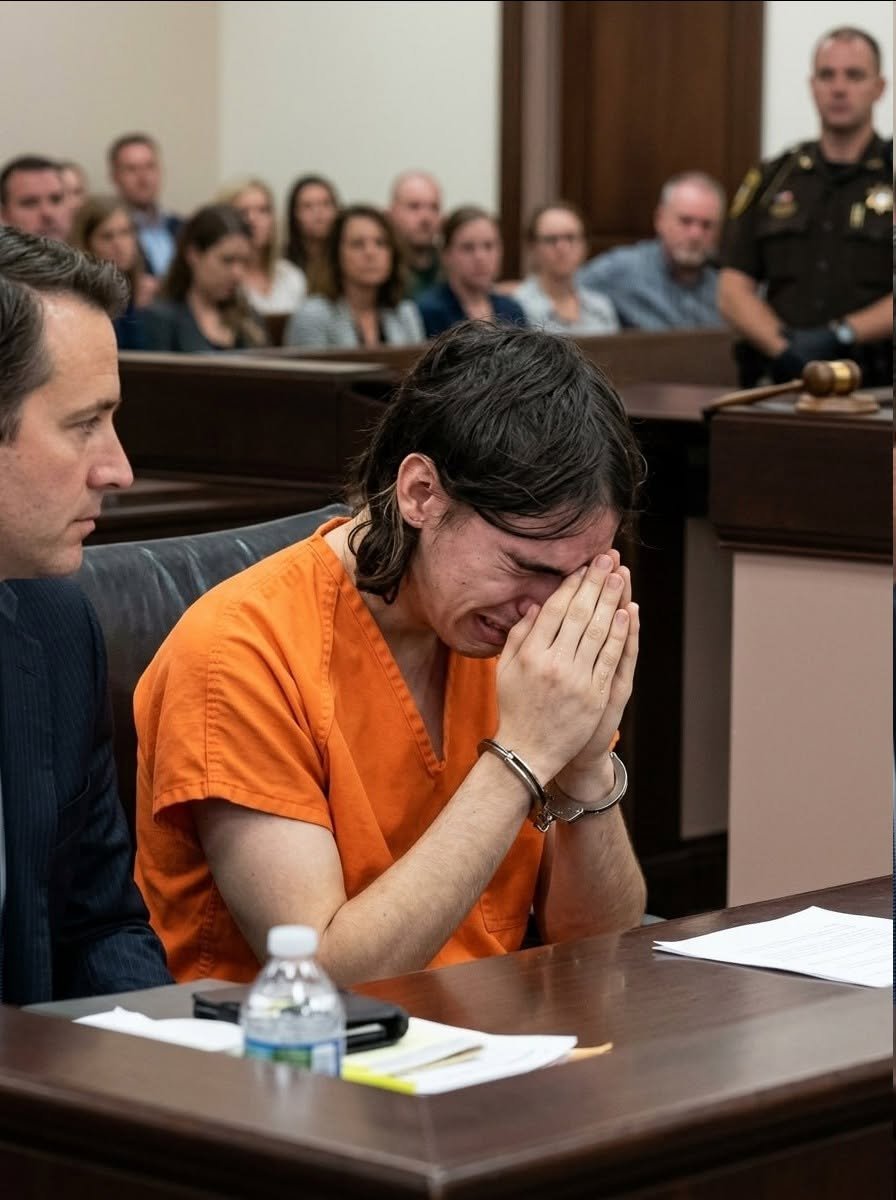
When the case finally reached the courtroom, the atmosphere reflected the gravity of the situation. Family members, observers, and legal professionals gathered, each aware that the outcome would be life-altering.
Courtrooms often carry a certain tension, but in cases like this, it becomes almost tangible. Every word spoken carries weight. Every pause feels longer than usual.
As the proceedings unfolded, the focus remained on the facts of the case, the applicable laws, and the arguments presented by both sides. Then came the moment everyone had been waiting for—the sentencing.
The judge began to speak.
Each sentence added clarity, but also intensity. And then, the final number was delivered:
452 years in prison.
Understanding the Sentence
At first glance, such a sentence can seem confusing. How can someone serve more time than a human lifespan allows?
In many legal systems, sentences like this are the result of multiple charges being stacked consecutively rather than served at the same time. Each charge carries its own penalty, and when combined, the total can reach numbers that exceed realistic human limits.
In practical terms, this often means the individual will spend the rest of their life in prison without the possibility of release. However, the large number also reflects the seriousness of the offenses and the legal framework used to address them.
Still, for many observers, the scale of the sentence raises difficult questions.
Public Reaction: Divided Opinions
As news of the case spread, reactions quickly followed. Social media platforms became spaces for debate, with people expressing a wide range of perspectives.
Some argue that justice was served. From this viewpoint, actions—especially those that cause harm—must carry consequences, regardless of age. Supporters of this stance often emphasize accountability and the importance of protecting society.
Others take a different perspective, focusing on the age of the individual. They question whether a teenager, whose brain and decision-making abilities are still developing, should face a punishment that effectively removes any possibility of rehabilitation or reintegration.
This divide highlights a broader societal discussion: how should justice systems handle serious crimes committed by minors? Should the focus be on punishment, rehabilitation, or a balance of both?
There are no simple answers.
Continue reading by clicking the ( NEXT 》 ) button below!
For Complete Cooking STEPS Please Head On Over To Next Page Or Open button (>)