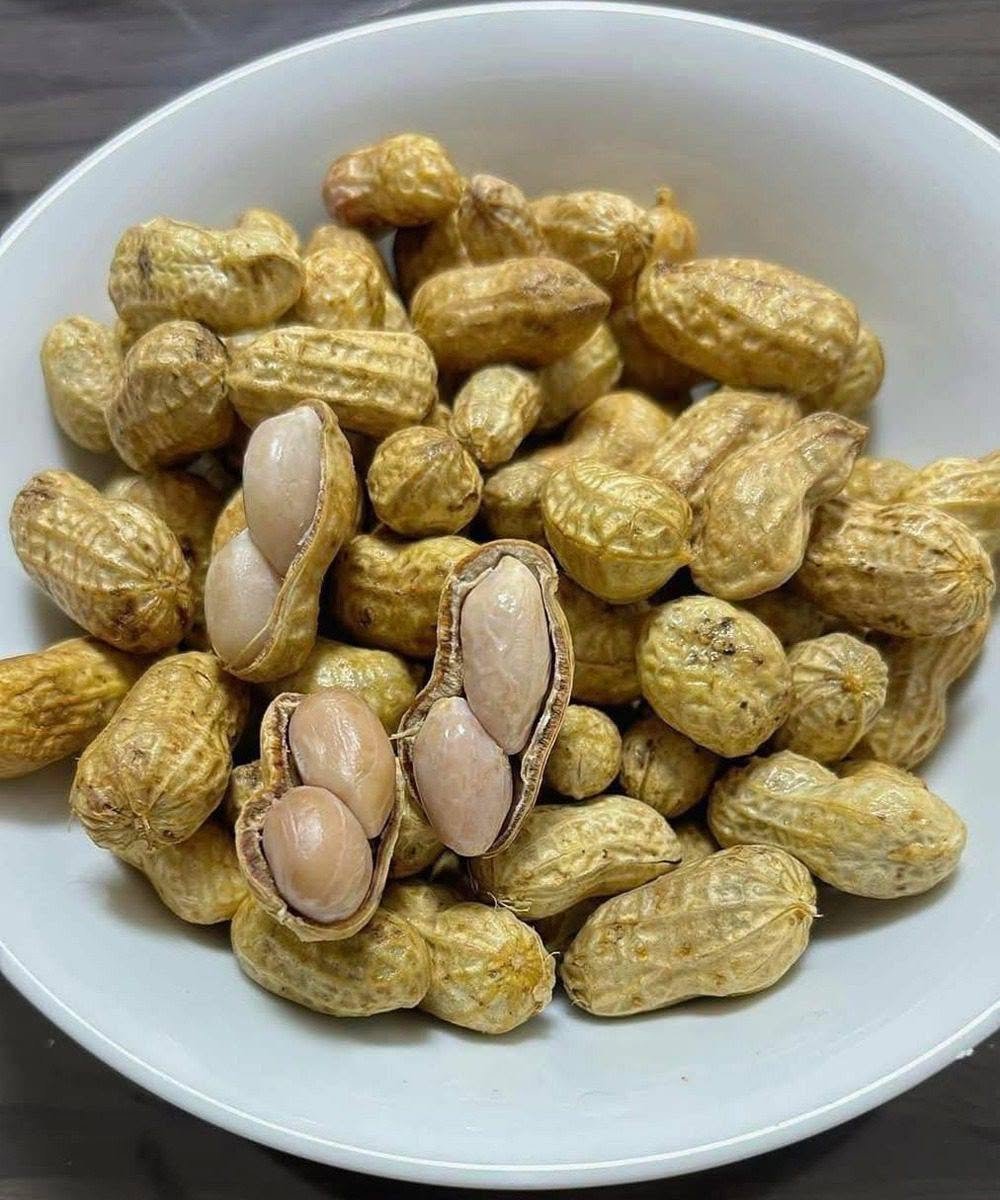
Few foods have been as consistently misrepresented as the peanut. Headlines alternate between celebrating it as a superfood and warning against it as a calorie-dense indulgence that will wreck your health — and the people reading those headlines are left genuinely uncertain about something as simple as whether they can eat a handful of peanuts as a snack without guilt. The good news is that the scientific consensus on peanuts is considerably clearer and more favorable than clickbait headlines would suggest. When doctors and nutrition researchers look at the actual evidence from large population studies and clinical trials, a consistent picture emerges: for most people, eating peanuts regularly — in appropriate portions and in minimally processed forms — produces meaningful, measurable health benefits across multiple organ systems. Here is what the research actually shows about what happens to your body when you make peanuts a regular part of your diet.
Peanuts are technically legumes rather than true nuts — they belong to the same plant family as green peas, soybeans, and lentils, and they grow underground as the fruit of the peanut plant rather than on trees. But from a nutritional standpoint, they behave very similarly to tree nuts and share most of their health-relevant properties. A one-ounce serving of raw peanuts — approximately 28 grams, or about 35 peanuts — provides 7 grams of protein, 14 grams of fat (predominantly heart-healthy monounsaturated and polyunsaturated fats), 2 grams of fiber, and meaningful amounts of niacin, vitamin E, magnesium, zinc, iron, potassium, and folate. They are also a rich source of bioactive compounds including resveratrol — the same antioxidant found in red wine — along with p-coumaric acid, flavonoids, and phytosterols. This nutritional profile is the foundation of the health effects described below.
1. Your Heart Health Improves
The most well-documented health effect of regular peanut consumption is cardiovascular benefit, and the evidence here is both consistent and substantial. Peanuts are high in monounsaturated and polyunsaturated fatty acids — the same types of fats found in olive oil — which lower LDL cholesterol (the “bad” kind that contributes to arterial plaque) while raising HDL cholesterol (the “good” kind that helps remove excess cholesterol from the bloodstream). Research has shown that peanut consumption is associated with decreased triglycerides, improved cholesterol ratios, and reduced arterial inflammation — all of which translate into a meaningfully lower risk of cardiovascular disease and stroke over time.
A large population study that followed participants over many years found that those with the highest peanut intake had a 20 percent reduction in overall mortality and more than 30 percent reduction in death from heart disease compared to non-peanut eaters. A systematic review of 20 studies found that consuming approximately one ounce of peanuts was associated with decreased stroke risk. These findings have been replicated across diverse populations in both the United States and Asia, suggesting the cardiovascular benefit is real rather than a statistical artifact of a particular population’s lifestyle. The U.S. Food and Drug Administration has recognized this evidence sufficiently to allow peanuts to carry a qualified health claim stating that eating 1.5 ounces per day of most nuts, including peanuts, as part of a diet low in saturated fat and cholesterol, may reduce the risk of heart disease.
2. You Feel Fuller Longer and Manage Weight More Effectively
Despite being energy-dense — approximately 160 calories per one-ounce serving — peanuts have a consistent and well-documented track record as a weight management tool rather than a weight gain food. The combination of protein, fiber, and slowly digested healthy fats makes peanuts extraordinarily satiating: they reduce appetite significantly for several hours after eating them, which tends to reduce total calorie intake throughout the day even when the peanuts themselves are accounted for. Multiple studies have found that including peanuts in a diet does not lead to weight gain and may actually support weight loss.
A Harvard-supervised weight loss trial compared participants on a calorie-controlled diet that included peanut butter against participants on a calorie-controlled low-fat diet. Not only did the peanut group achieve similar weight loss, they reported less hunger throughout the study and were considerably more likely to still be following the diet at 18 months — an adherence advantage that matters enormously in real-world weight management. The key insight from this and similar research is that the satiety peanuts provide tends to compensate for their caloric density, making them a net positive for appetite control when eaten in reasonable portions rather than directly from a large bag.
3. Your Blood Sugar Becomes More Stable
Peanuts have a very low glycemic index, meaning they produce minimal impact on blood sugar levels when eaten. Unlike high-carbohydrate snacks that cause rapid spikes in blood glucose followed by crashes that drive hunger and cravings, peanuts release their energy slowly and steadily. Their unsaturated fatty acids also increase insulin sensitivity — the body’s ability to use insulin effectively to manage blood sugar — while bioactive compounds including flavonoids appear to reduce glucose production in the liver. These properties make peanuts a particularly beneficial snack choice for people managing type 2 diabetes or trying to prevent it, and they appear on recommended food lists from organizations including the American Diabetes Association.
Pairing peanuts with other foods that would otherwise cause blood sugar spikes — a handful alongside a piece of fruit, or a spoonful of peanut butter on whole grain bread — has been shown to blunt those spikes significantly. This makes peanuts a practical tool for creating more balanced, stable blood sugar patterns throughout the day, which benefits energy levels, mood, focus, and long-term metabolic health.
4. Inflammation Throughout Your Body Decreases
continued on next page
For Complete Cooking STEPS Please Head On Over To Next Page Or Open button (>)

Morning 5-Spice Drink Recipe: A Warm Wellness Ritual

The Red Stain My Ex Left Behind Revealed A Truth I Never Expected

My ex-husband bankrupted me, got me fired, and starved us. In family court, his lawyer held up a photo of our 8-year-old son in a dirty shirt to steal full custody. “She can’t even provide clean clothes. She’s an unfit mother,” the lawyer sneered. My wealthy ex smirked, wearing a $10k watch. He thought I was broken. But he didn’t expect my 8-year-old son to stand up. My boy lifted the hem of that faded, “dirty” shirt and showed the judge something that made my ex turn ghost-white.

17 years after my dad kicked me out for enlisting, I attended my brother’s wedding. To impress a billionaire investor, Dad snapped his fingers and ordered me to scrub spilled wine off the table like a servant. “Clean it up, grunt,” he sneered. I quietly knelt and cleaned the floor. Then the bride took the mic, looked directly at me, and snapped a sharp salute. “Please raise your glasses to the man who paid for this wedding…

MY RICH EX-BOYFRIEND FORCED ME TO MARRY A STARVING BEGGAR IN FRONT OF THE CAMERA TO HUMBLE ME